Hotels in Bahia, Brazil
View hotels on map or
Pousada
Boutique Hotel
Resort
Hotel
Bahia
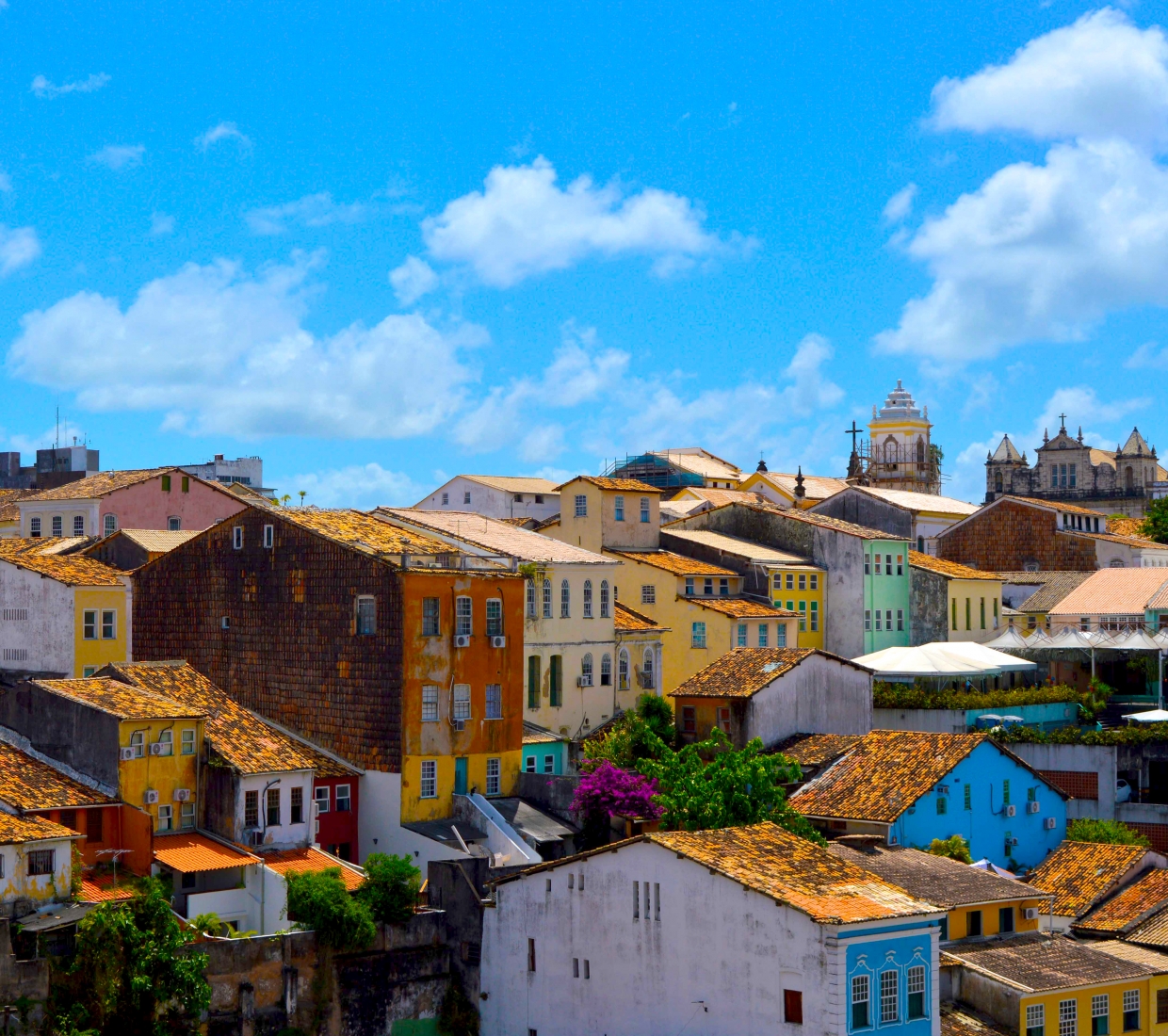
Bahia is located in the north-eastern part of the country on the Atlantic coast. It is the fourth most populous state after São Paulo, Minas Gerais and Rio de Janeiro, and the fifth largest in size.
The capital is the city of Salvador or, more properly, São Salvador da Bahia de Todos os Santos, located at the junction of the Atlantic Ocean and the Bay of All Saints. The name is an archaic spelling of the Portuguese word meaning "bay”. Geographically it comprises the Atlantic forest or “mata atlântica”; the “recôncavo” region radiating from the Bay (the largest in Brazil) – site of sugar and tobacco cultivation; and the “planalto”, which includes the fabled “sertão” region of the far interior. Bahia is bordered, counterclockwise, by Sergipe, Alagoas, Pernambuco and Piauí to the north, Goiás and Tocantins to the west, and Minas Gerais and Espírito Santo to the south.
The São Francisco, Brazil's second longest river system, runs up from the Atlantic Ocean along the state's northern border with Sergipe and Pernambuco to the planalto into the neighboring southern state of Minas Gerais.
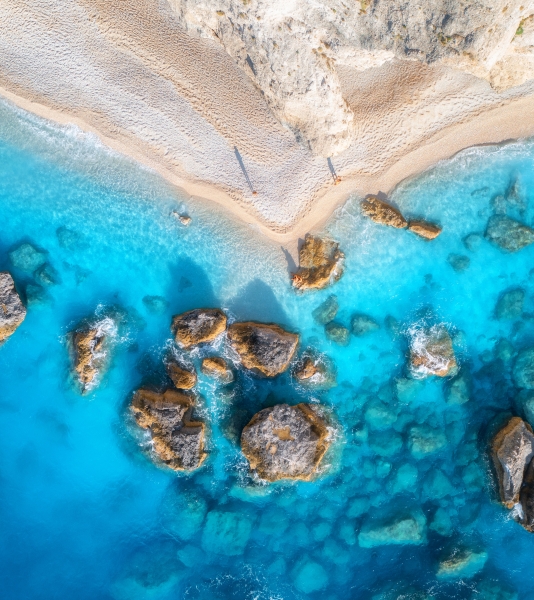
The state has the longest coastline in Brazil; the northern coastline running from Salvador forms the Linha Verde (Green Line). Bahia features the longest known cave in the Southern hemisphere – Toca da Boa Vista that has 84 km of mapped passages.
Although trading activities with Portugal were centered in Salvador and the Recôncavo (a vast and fertile coastal region of the state of Bahia), the colonialist impulse also penetrated the hot and humid regions of the south as well as the vast region known as the Hinterland, characterized by thorny, stunted vegetation, meadows, mountains and valleys.
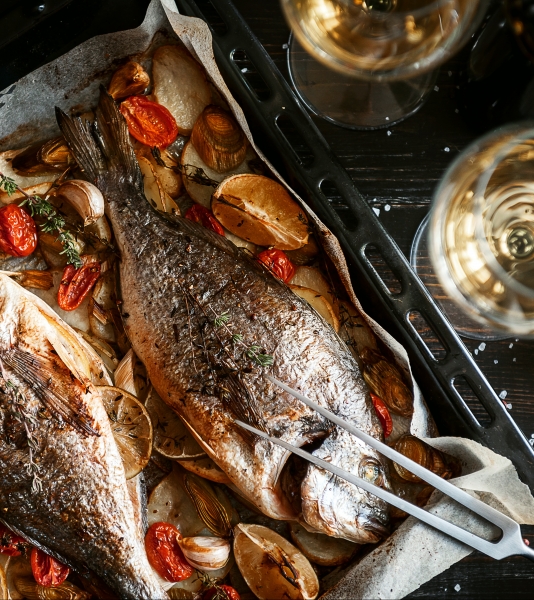
Gastronomy The colonizers began to bring in African slaves to Salvador, capital of Bahia, to work on the sugar-cane plantations. They immediately started using palm oil, coconut, dried shrimps and other African food that would come to characterize the local cuisine.
Each region clearly has its own characteristics which are relics from the past and geographical condition and that determine the typical daily dishes and the special ones for holidays, such as Saints' Day in Bahia, the festival of Kings, the Lent days and all the rest.
The feijoada (bean stew) which originated in Rio de Janeiro, is considered by many to be the most typical of Brazilian dishes, becoming the inspiration for poems such as "Feijoada à minha moda" ("My style of feijoada") by Vinícius de Morais. It is often served to visitors, who enjoy the pot of black beans in thick sauce, cooked with an abundance of fresh meat and charcuterie. The beans are usually served separately on one dish and the meat on another, accompanied by finely sliced kale, quick-fried with a little oil and garlic, cassava flour or "farofa" (flour mixed with butter), and slices of fresh orange. Everyone can choose how they want to eat it but no one must start without a caipirinha, Brazil's famous national drink made from "cachaça" (sugar-cane brandy), lemon and sugar.
The tradition of eating late suppers or huge afternoon teas no longer survives, but in the interior there is still the custom of eating manioc-based “mingau” which is a typically Brazilian dish, a mixture of native and Portuguese tradition or perhaps just Brazilian after all.
Runny meal, lukewarm meal, served in a mug, sweet but not too sweet, and with a pinch of salt. Or else "fubá" (flour mixed with butter) topped with a pat of butter and with cubes of cheese inside leaving a long string trailing with every mouthful. Or for something more substantial there are oats and milk, sweet maize starch with milk or maize starch and sugar served in a little cup with powdered cinnamon.
History The Portuguese navigator, Pedro Álvares Cabral landed at what is now Porto Seguro, on the southern coast of Bahia in 1500, and claimed the territory for Portugal. In 1549, Portugal founded the city of Salvador, on a hill facing the Bay of All Saints. The city and surrounding captaincy served as the administrative and religious capital of Portugal's colonies in the Americas until 1763.
Charles Darwin visited Bahia in 1832 on his famous “Beagle” voyage. The state was also the last area of Brazil to join the independent confederation. Some members in the elite remained loyal to the Portuguese crown after the rest of the country was granted independence. After a number of battles, mostly in Pirajá, the province was finally able to expel the Portuguese on July 2, 1823, known as Bahia Independence Day, a great popular celebration.
There is an ongoing discussion about the exact moment of Brazilian independence, because for almost all "baianos," it really happened in Bahia with the battles, and not on September 7, when the Emperor, Pedro I, declared independence. Bahia was a center of sugar cultivation from the 16th to the 18th centuries, and comprises a number of historical towns, such as Cachoeira, dating from this era. Vital to the sugar economy was the importation of a vast number of slaves – more than 37% taken from Africa were sent to Brazil, mostly to be processed in Bahia before being sent to work in plantations elsewhere in the country.
The oldest Roman Catholic cathedral and the first medical college in the country are both located in Bahia's capital, which also has one of the highest percentage of churches of any capital city in Brazil. The Catholic Archbishop of São Salvador da Bahia, Geraldo Majella Agnelo, is the Cardinal Primate of Brazil.
Culture As the chief focus of the early Brazilian slave trade, Bahia is considered to possess the greatest and most distinctive African imprint, in terms of culture and customs. These include the Yoruba-derived religious system of Candomblé, the martial art of capoeira, African-derived music such as samba, afoxé, and axé – and a cuisine with strong links to western Africa. Bahia is the birthplace of many noted artists, writers and musicians; among the noted musical figures born in the state are Dorival Caymmi; João Gilberto; Gilberto Gil, the country's Minister of Culture; Caetano Veloso and his sister Maria Bethânia; Gal Costa; Luis Caldas; Sara Jane; Daniela Mercury; Ivete Sangalo; Carlinhos Brown and Margareth Menezes. During the 19th century, one of Brazil's greatest poets, the Bahian abolitionist and playwright Castro Alves, a native of the recôncavo city of Cachoeira, penned his most famous poem, Navio Negreiro, about slavery. The poem is considered a masterpiece of Brazilian Romanticism and a central anti-slavery text.
Other notable Bahian writers include Gregório de Matos, who wrote during the 17th century and was one of the first Brazilian writers, and Fr. Antonio Vieira, who during the colonial period was one of many authors who contributed to the expansion of the Portuguese language throughout the Brazilian territory.
The major fiction writer of the 20th Century, Jorge Amado, was born in the southeastern Bahian city of Itabuna. His major novels include Gabriela, Cinnamon and Cloves; Dona Flor and Her Two Husbands; and Tieta, the Goat Girl, all of which were converted into internationally renowned films.
More recent writers from Bahia include the fiction writers João Ubaldo Ribeiro and Jean Wyllys, winner of Big Brother Brazil 5 in 2005. In the visual and plastic arts, one of the best known Bahian figures was the multigenre artist and Argentinian native Hector Julio Páride Bernabó, also known as Carybé (1911-1997). Fine examples of his work are to be seen in the Afro-Brazilian Museum in Salvador.
Hotels in Bahia
- Dreamland Bungalows
- Fazenda São Francisco do Corumbau
- Kiaroa Eco Luxury Resort
- Pousada Calypso
- Pousada Jacarandá
- Pousada Pitinga
- Toca do Toco
- Vila dos Orixas Boutique Hotel
Hotels by City in Bahia
Tips from Travellers
Find Traveller Tips on restaurants, cultural activities and things to do
Read about our Favourite Destinations and Itineraries
or just enjoy our blogs on Good Local Cuisine and Hidden Treasures
Suggest a Hotel that you think should be part of the Secretplaces selection
Post a Tip on restaurants, culture and what to do
Sign up to receive news on our favourite destinations, new hotels and promotions by email


Become a fan on Facebook
Follow us on Twitter