Best places to stay in Northern Italy?
Let us be unbiased and start with the north west.
Aosta Valley is a beautiful region located in the far north western part of Italy, bordered by France and Switzerland. With its high altitude, the area has a unique climate. During winter, it's a mecca for skiers, with heavy snowfall and chilly temperatures. In summer, the weather is mild, making it perfect for being outdoors. There are plenty of opportunities for skiing, hiking, and mountain biking here. Stay in one of our mountain hotels and lodges to make the most of your visit to the Aosta Valley.
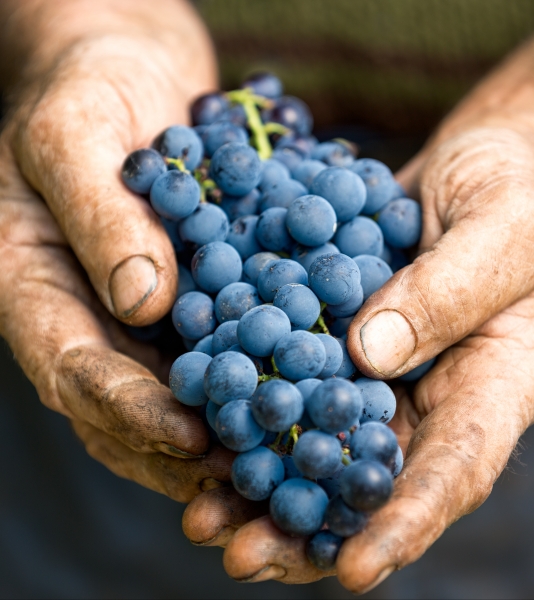
Moving on to Piedmont, this north-western region is famous for its delicious food, exquisite wines, and scenery. Turin, also known as the "Paris of Italy," is a vibrant city with a lot of history and lovely architecture. Alba, known for its truffles, is a town with a historic centre and pleasant streets, offering excellent local wine and cuisine. The Langhe region, just outside of Alba, has rolling hills and vineyards, producing some of Italy's best wines, such as the Barolo. To the north, Lake Maggiore is a wonderful lake surrounded by mountains and dotted with small towns. We offer a selection of accommodations in Piedmont, ranging from romantic country hotels and agritourism to elegant boutique hotels and beautifully restored farmhouses.
The Lombardy region, with its lakes and lovely cities, is also well worth a visit. One of the most beautiful lakes in Italy, Lake Como is surrounded by some towns, wonderful villas and glamorous hotels. For a more secluded and intimate experience, head to Lake Maggiore or Lake Iseo and stay in one of the many beautiful hotels that dot their shores. With its medieval centre, the town of Bergamo is known for its art, culture, and gastronomy. Enjoy the countryside staying in a charming B&B or elegant boutique hotel in Lombardy. The city of Milan, with its famous fashion and design scene, has a fantastic selection of luxury hotels and boutique hotels in Milan that cater to the discerning traveller.
Whether you're seeking a boutique hotel, luxury accommodation, or a holiday home, South Tyrol, also known as Alto Adige, offers a wealth of options. With its diverse blend of cultures and nature, this region has become a popular destination for travelers worldwide. Indulge in Merano, a spa town boasting a mild climate, renowned for its gardens and thermal baths. Bolzano, the capital of South Tyrol, is a delightful city with a unique mix of Italian and Austrian culture. Yet it's the countryside that really stands out. And let's not forget the dramatic peaks and towering cliffs of the Dolomites. Stay in one of our romantic mountain hotels or luxury boutique hotel in South Tyrol.
While the Veneto region, home to Venice, may be one of Italy's most visited tourist destinations, there are plenty of options for those seeking to escape the crowds. Discover Vicenza, a town with Palladian architecture and superb gourmet cuisine. Verona and Treviso also offer a sense of history and elegance with their boutique hotels and ideal guesthouses. Asolo, a small hilltop town with unparalleled views of the surrounding hills and plains, is also well worth a visit. And despite the crowds, Venice with its famous architecture, art, and culture is still a must-see destination. Travel off-season and select one of our carefully curated places to stay in Venice to discover the authentic side of this enchanting city. Or, choose one of our boutique hotels in Treviso, just north of Venice, for a more intimate experience.
In Friuli-Venezia Giulia, Trieste, a coastal city with a beautiful blend of Italian, Austrian, and Slovenian influences, and a large cultural scene.
The region of Emilia-Romagna has a delectable cuisine, with cities like Bologna and Parma offering some of Italy's finest culinary experiences. Modena, a medieval town and home to balsamic vinegar, has stunning piazzas and medieval architecture, making it an excellent base for exploring the region. Visitors can opt to stay in one of the many boutique hotels or charming guesthouses that offer a sense of warmth and intimacy.
Bordered by the Ligurian Sea to the south and the Apennine Mountains to the north, Liguria is a region with coastal towns and coastline, and home to some of Italy's most iconic dishes. From the faded splendor of the Italian Riviera to the awe-inspiring villages of Cinque Terre, Liguria is an essential visit. Relax in one of our handpicked B&Bs or romantic country hotels in Cinque Terre or the Ligurian coast. Or, choose one of our small hotels in Genova.